A practical bathroom layout course built around drawings that hold up
This course focuses on the unglamorous parts of interior planning that make projects calm: clearances, set-outs, datum lines, elevation logic, material junctions, and lighting notes that contractors can read. You practice a repeatable workflow that connects brief → plan → elevations → schedule, so one change in the plan does not create a cascade of contradictions later.
The output is a compact but complete documentation package for a bathroom typology. You will learn to structure choices like a studio would: lock critical dimensions first, validate circulation paths, then coordinate finishes and lighting layers with intent.
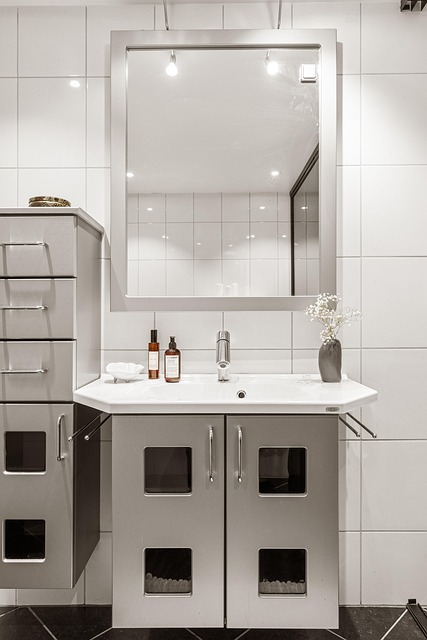
Plans, elevations, lighting notes, and a clear schedule format.
Set datums, lock critical dimensions, then refine finishes and light.
What the course covers
Bathrooms compress a lot of requirements into a small footprint. A good plan is not a sketch; it is an ordered set of decisions. The course teaches you to treat the plan as the control document for everything else: elevations, lighting layers, and the finish schedule. You will practice working with centrelines, datum lines, and service zones so fixtures align predictably and the drawing set stays internally consistent.
Material coordination is handled as part of space planning. You will learn how to define finish families, plan transitions at thresholds, and keep grout and trim decisions tied to set-out logic rather than last-minute sample chaos. Lighting is approached as a layout tool: you map ambient coverage, mirror task lighting, and accent cues by zone, then annotate switching so the concept can be built.
Clearances and ergonomics
Use reach zones, circulation widths, door swings, and wet-zone boundaries to test a plan early. You will learn which dimensions are critical and how to document them so they do not drift during revisions.
Set-outs and datum lines
Build drawings from centrelines and set-outs so your plan translates cleanly into elevations. This reduces the classic mismatch where the plan “looks right” but the elevation cannot be resolved.
Elevations and junction notes
Align mirrors, niches, accessories, and tile modules with intent. You will practice writing short junction notes that answer the questions a contractor would otherwise raise on site.
Finish families and transitions
Coordinate surfaces using a finite palette and clear transition rules. You will cover slip ratings, grout colour decisions, trim strategy, and how to keep a bathroom calm when products come from different sources.
Lighting concept by zone
Create a lighting plan that reads on paper: ambient, task, and accent layers tied to activity areas. You will annotate switching logic so the concept is buildable, not decorative.
Client-ready presentation logic
Structure options and decisions so feedback becomes specific. You will practice documenting assumptions and approvals, reducing the revision loop that comes from vague “looks” conversations.
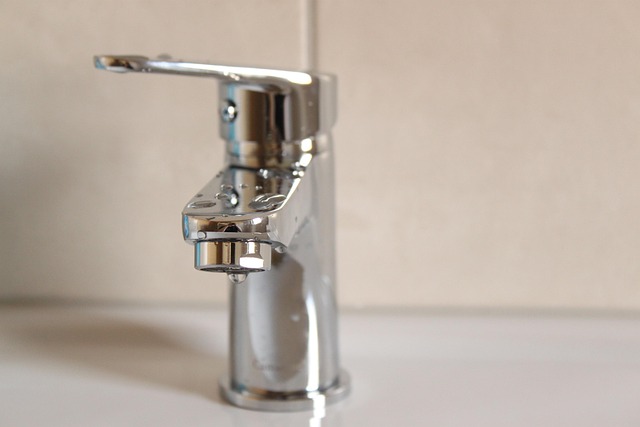
Deliverables you can reuse
The course is designed so you finish with assets you can adapt to your own projects. Instead of generic inspiration, you build a compact drawing set structure: a plan that is dimensioned in the right places, key elevations that resolve the junction points, a short lighting note set, and a schedule template for fixtures and finishes. The emphasis is consistency: one datum system, one set-out logic, and notes written in plain language.
The habit you develop is coordination. You learn to ask, “If this changes in the plan, what else must change?” That question is a professional superpower in bathrooms because everything is adjacent: waterproofing lines, services, tiling modules, and lighting positions.
Get course format and upcoming start windows by email
Share your name and email and we will send a clear outline of the course structure, what you will produce, and the next available registration window. We use your details only to respond and share the updates you requested. You can request deletion at any time by emailing [email protected].
Content is provided for educational purposes only and should not be considered professional architectural, engineering, or construction advice.
Prefer email? Write to [email protected].