Learn to plan bathrooms that work on paper and on site
valtrieno teaches a practical workflow for bathroom space planning: clearances, fixture coordination, lighting layers, material logic, and presentation that clients understand. Built for design-led professionals who want repeatable layout decisions, not guesswork.
Course Overview
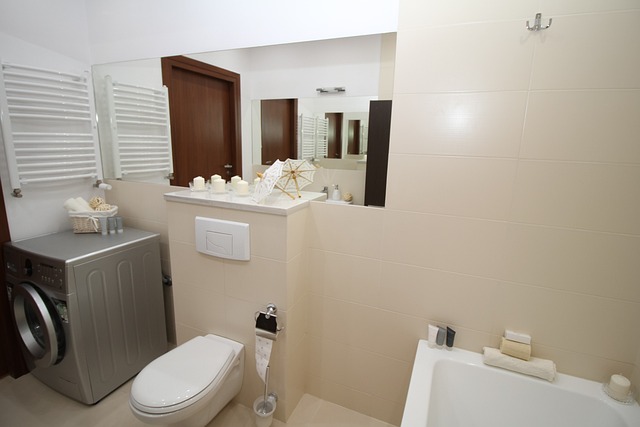
The valtrieno bathroom layout course is built around real planning constraints: fixture dimensions, service zones, ergonomic clearances, and the small-but-important coordination issues that show up only when a plan becomes an elevation. The training is deliberately methodical. You will map a bathroom as a set of functional zones, then translate that map into drawings and schedules that can survive a client presentation and a contractor conversation.
Each lesson uses a consistent decision order. First comes the brief (who uses the bathroom, what must be stored, and how the space connects to the rest of the home). Next is adjacency: WC positioning, shower entry logic, and sightline control. Then the plan tightens through set-outs and datum lines so the same geometry can be used for elevations, niches, mirror heights, and accessory placement. Material coordination is treated as a planning task, not an afterthought: surface transitions, slip ratings, grout decisions, and how to keep a palette calm when products come from multiple manufacturers.
The goal is a layout workflow you can repeat. You leave with templates, checklists, and a way to argue for design decisions using drawings that read clearly for non-designers.
What you build during the training
- A planning checklist covering clearances, door swings, and wet-zone boundaries.
- A drawing set structure: plan, key elevations, and a simple specification schedule.
- Lighting notes organized by ambient, task, and accent layers, tied to zones.
- A palette framework for tile, paint, metal finishes, and joinery surfaces.

Learning Modules
The modules are structured like a studio project. Each one adds a new layer of coordination so your drawings stay consistent across plan, elevation, lighting notes, and schedules. Instead of memorizing rules, you practice a sequence: set the datum, lock the critical dimensions, and only then decorate. The unglamorous work is where bathrooms succeed.
Module 1: Bathroom planning logic
Build a zone diagram, define circulation paths, and convert it into a scaled plan with clearances. You will learn a practical hierarchy: what gets fixed first (drain positions, door swing, shower entry) and what stays flexible (storage modules, accessory placement).
- Ergonomic clearances and reach zones
- Set-outs, centrelines, and datums
- Wet-zone boundaries and thresholds
Module 2: Elevations and junctions
Translate your plan into elevations that resolve mirror heights, niche alignment, and tile transitions. Learn the junction points that create site questions and how to annotate them early.
Module 3: Lighting layers
Create a lighting concept that is readable in drawings: ambient coverage, mirror task light, and accent highlights. You will coordinate switching logic and practical placement notes.
Module 4: Material coordination
Build a controlled palette using finish families, not random samples. You will document surfaces with practical notes such as slip ratings, grout colour choices, and how to handle transitions at thresholds and niches.

Module 5: Client-focused development
Turn design intent into explainable decisions. You will learn how to present alternatives, document assumptions, and capture approvals so the project stays coherent across revisions.
Module 6: Drawing set and schedules
Assemble a small but complete package: plan, elevations, lighting notes, and a product schedule. The emphasis is consistency: one change in the plan should predictably update the rest of the set.
How it works
The course is organised as a set of planning iterations. You start with a workable diagram, then tighten the design through measurable decisions: clearances, fixture set-outs, and elevations that align. The deliverables are intentionally concrete so you can reuse the workflow on live client projects.
Each step ends with a check: a short list of “site questions” your drawings should already answer. That discipline makes the work calmer, and it reduces last-minute revisions caused by missing information.
Content is provided for educational purposes only and should not be considered professional architectural, engineering, or construction advice.
-
01
Brief and zone diagram
Define who uses the bathroom and what must be stored, then draw a zone diagram with adjacency rules. Outcome: a layout hypothesis that can be tested. Deliverable: a one-page brief and zone map.
-
02
Scaled plan with set-outs
Build the plan using clearances, centrelines, and datum lines so fixtures and joinery align. Outcome: a plan that can survive measurement checks. Deliverable: a dimensioned plan with key notes.
-
03
Elevations and coordination
Convert the plan into key elevations to resolve mirror heights, niche alignment, tile set-out logic, and accessory placement. Outcome: fewer coordination gaps. Deliverable: two to four elevations with junction notes.
-
04
Lighting and schedules
Add lighting layers and compile a compact schedule for fixtures and finishes. Outcome: an explainable, spec-ready package. Deliverable: lighting notes and a clear product/finish schedule.
Benefits
The benefit is not “style.” It is control. Bathrooms punish vague decisions because the space is dense: services, waterproofing, ventilation, and daily-use ergonomics all intersect. The course gives you a planning sequence that keeps those intersections legible. You will learn to use a small set of repeatable checks: minimum clearances, sightline management, set-out alignment, and a short list of junction details that usually cause site questions.
The workflow also improves client communication. When layouts are explained through drawings that read cleanly, feedback becomes specific. Instead of broad rework, the conversation stays on decisions: “move the vanity,” “change the shower entry,” “swap finish family,” and those decisions can be tracked through the plan, elevations, and schedule without losing coherence.
A decision order you can trust
Plan the hard constraints first, then refine. That sequence makes revisions predictable because you know what is fixed and what is flexible.
Ergonomics without guesswork
Use reach zones, circulation widths, and functional clearances as planning tools. It keeps layouts comfortable even when space is tight.
Cleaner drawing sets
Plans and elevations match because they are built from the same datums and set-outs. Your schedules stay aligned with the drawings.
Material logic that holds up
Coordinate tile set-out, grout decisions, and finish families early. You avoid late palette chaos and awkward junctions.
Client conversations become specific
Present options through drawings and notes, then capture approvals. It shortens the revision loop and clarifies scope.
Risk-aware planning habits
Learn to spot the details that usually trigger site questions: thresholds, waterproofing lines, and fixture access. Document them early.
About Us
valtrieno is an education studio created to make layout decisions easier to defend. In 2021, Valtrieno Education s.r.o. was founded after seeing the same problem repeat across projects: bathroom concepts looked convincing, but the drawings did not answer the practical questions that show up during specification and site coordination. The gap was rarely “taste.” It was a missing planning workflow.
The mission is straightforward: teach a methodical approach to space planning and interior layout that respects ergonomics, services, and presentation. We focus on the small systems that keep design intent intact—datum lines, set-outs, lighting layers, and material families—so your work stays coherent when it moves from a mood board to a measured room.
Valtrieno Education s.r.o.
Jestřebická 639/3, Čimice, 181 00 Praha, Czechia
[email protected]
Company ID: 017811686
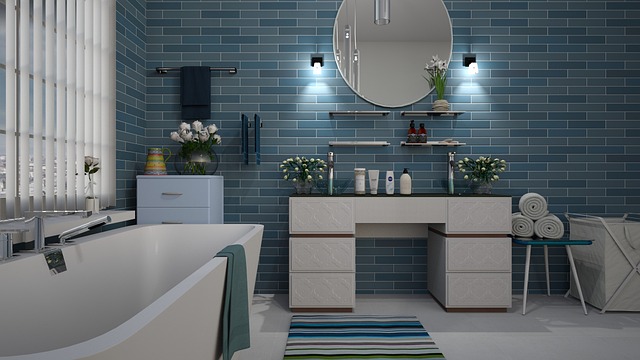
Bathroom space planning and interior layout training for design-led professionals.
Clearances, set-outs, and notes that reduce ambiguity during delivery.
FAQ
These are the questions we hear most often from designers and planners who want a reliable bathroom layout workflow. If something is not covered here, use the contact form and we will reply by email.
Is this course only about bathroom styling?
Do I need a specific design software?
What is included in the learning modules?
Is this professional architectural, engineering, or construction advice?
How do you handle my data when I register or contact you?
Can I manage cookie preferences later?
Get the next cohort details when registration opens
Leave your name and email and we will send the course format, module list, and the next available start window. We do not sell personal data. You can request deletion at any time by emailing [email protected].
Prefer email? Write to [email protected].
Contact
Use this form for questions about modules, suitability, or timing. Please keep messages specific—one bathroom type, one constraint, or one deliverable question is ideal. We reply by email.